


*Contains Sponsored Content*
Making the switch to a K-beauty routine is one of those decisions that tends to prompt a lot of questions upfront. What order do the products go in? How many steps are actually necessary? Will my skin react badly? These are fair things to wonder, and the honest answer is that the transition looks different for everyone. What most people share, though, is a period of adjustment followed by a gradual improvement they did not quite anticipate.
Here is what that process typically looks like, and how to make it work for your skin.
The First Two Weeks: Adjustment, Not Failure
When you introduce new actives or change your routine significantly, your skin often goes through a settling period. This is not your skin rejecting the products. It is your skin recalibrating.
Common things you might notice in the first two weeks:
- Minor breakouts or small surface congestion
- A temporary increase in oiliness, particularly in the T-zone
- Some dryness or tightness in areas that were previously fine
- Slight changes in how your skin feels after cleansing
K-beauty routines tend to use more hydration-focused layers than Western routines, which often rely on heavier creams to do all the work. If your skin has been used to occlusive moisturisers, switching to lighter, water-based products applied in sequence can take a few weeks to feel normal. Give it time before drawing conclusions.
The one exception: if you experience persistent burning, stinging, or a rash that spreads, stop using the new product and give your skin a break. Reactions of that kind are not a normal adjustment phase.
Understanding the Layering System
One of the most talked-about aspects of K-beauty is the multi-step routine. The reality is that it is not about using ten products for the sake of it. The principle is layering products in order of consistency, from the thinnest to the thickest, so each one absorbs properly without being blocked by a heavier formula applied before it.
A functional starter routine looks like this:
- Cleanser – removes impurities without stripping the barrier
- Toner or essence – preps skin and delivers the first layer of hydration
- Serum – targets specific concerns with concentrated actives
- Moisturiser – seals in the layers beneath
- SPF (morning only) – non-negotiable regardless of skin type or the weather outside
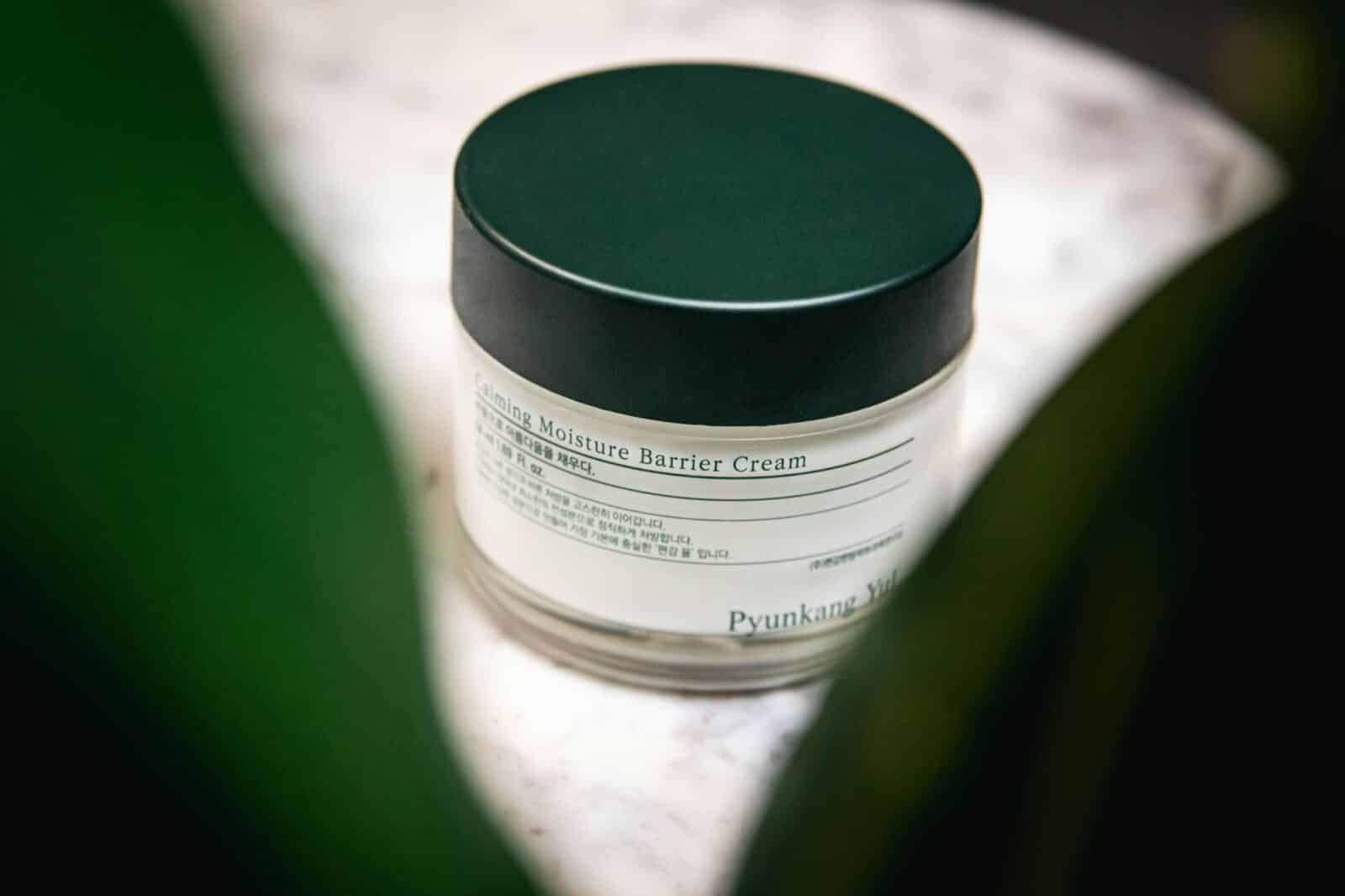
The Pyunkang-Yul collection is a good starting point for anyone new to K-beauty. The brand uses minimal ingredient lists, which reduces the risk of reactions and makes it easier to identify what is and is not working for your skin.
What Changes You Might Notice Over Time
Most people who stick with a K-beauty routine for four to eight weeks report visible improvements. The most common ones include:
- Smoother texture as consistent hydration softens rough or uneven patches
- Brighter complexion as dullness caused by dehydration and surface congestion clears
- More stable oil production as the skin barrier strengthens and stops overcompensating
- Reduced redness in skin types that were previously reactive
Hyperpigmentation and post-breakout marks take considerably longer. These involve changes at the melanin level, and while ingredients like niacinamide, tranexamic acid, and vitamin C all contribute to a more even tone over time, realistic results are measured in months rather than weeks. If someone promises you otherwise, be sceptical.

Targeted Concerns: Knowing When to Add Actives
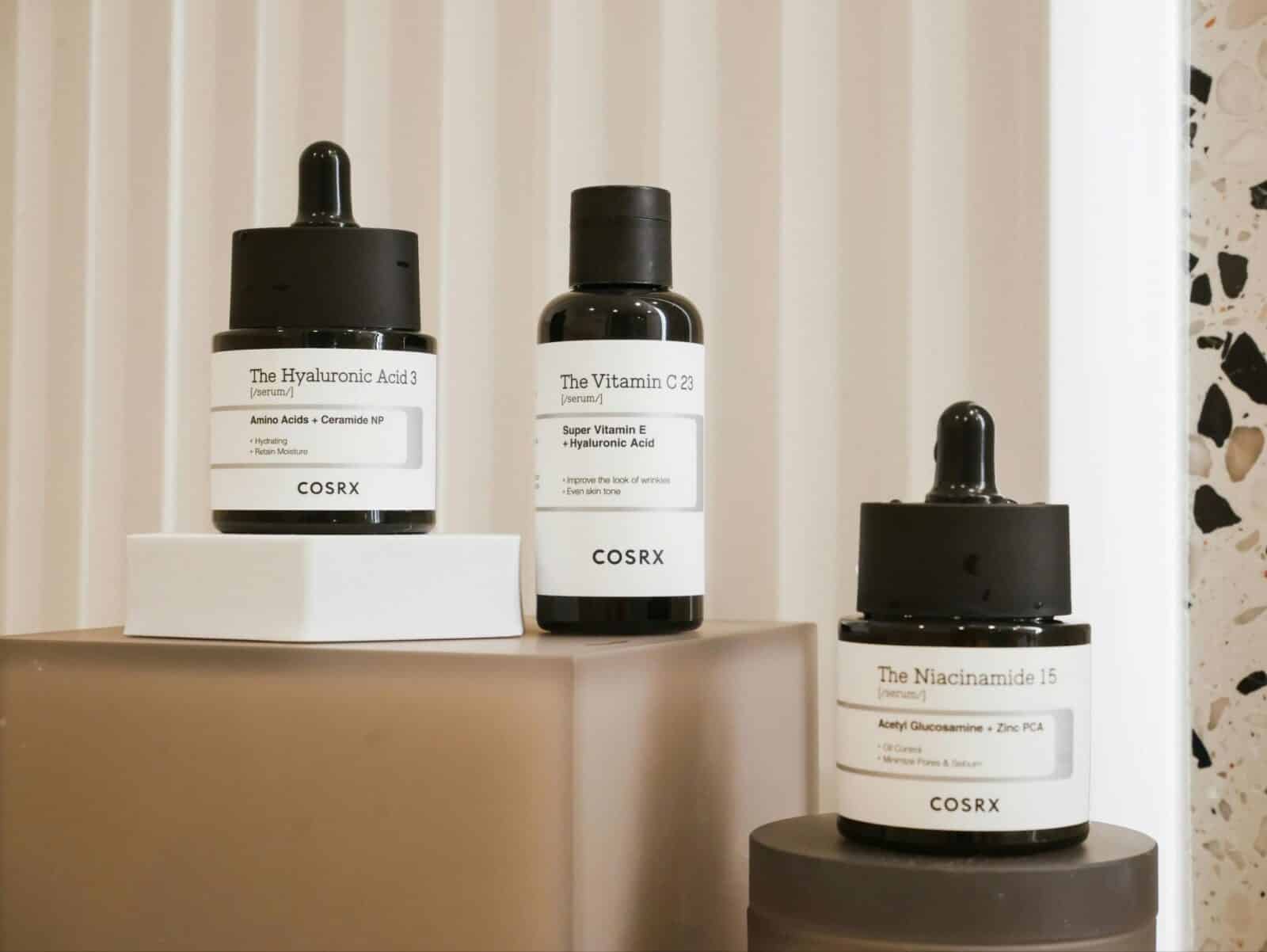
Once your skin has settled into a basic routine, you can start introducing targeted treatments. This is where ingredients like retinol, AHAs, BHAs, and peptides come in.
The key is not to introduce several new actives at once. A sensible approach looks like this:
- Add one new active at a time
- Use it consistently for two to three weeks before assessing
- Watch for changes in texture, sensitivity, or breakout frequency
- Only introduce the next product once you know how your skin responds
Stacking too many potent actives too quickly is one of the most common reasons people abandon new routines prematurely.
Medicube skincare products are well suited to this stage of a routine. The brand focuses on results-oriented formulations for specific concerns, particularly texture, pore refinement, and post-acne pigmentation, making it straightforward to identify which product belongs where in your regimen.
The Mindset Shift That Makes the Difference
Perhaps the most significant change when switching to K-beauty is how you think about skincare itself. The focus moves away from fixing problems and towards maintaining a healthy baseline.
If you are looking for a starting point,Korean skincare products span everything from simple two-step routines to more involved regimens, so there is always an entry point that fits your lifestyle and your skin’s current needs.
Skin that is well-hydrated, properly protected from UV, and supported with appropriate actives handles stress, breakouts, and environmental factors better over time. That shift in approach, more than any single product, is what tends to produce the results people notice and keep coming back for.